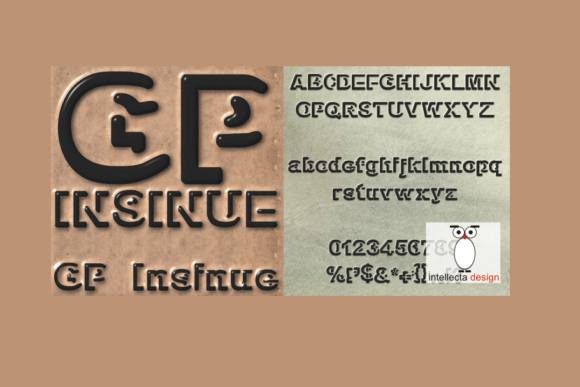
Insinue: The Art of Subtle Influence in Modern Design and Communication
In an era defined by information overload and visual noise, the most powerful messages are often those that do not shout, but rather whisper. This is the core philosophy behind Insinue, a concept that has transcended its linguistic roots to become a pivotal strategy in contemporary design, marketing, and interpersonal communication. To insinuate is to introduce an idea or feeling subtly and gradually, allowing it to take root in the mind of the audience without the resistance that often accompanies direct assertion. For professionals across industries—from graphic designers crafting brand identities to educators shaping curricula—understanding the mechanics of insinuation offers a competitive edge in creating content that resonates on a deeper, more intuitive level.
The Psychology of Subtlety: Why Insinuation Works
Human psychology is wired to resist overt persuasion. When a consumer feels they are being sold to, or a student feels they are being lectured, defensive barriers go up. Insinue bypasses these defenses by leveraging the brain’s natural tendency to fill in gaps. This cognitive phenomenon, often referred to as the "completion principle," suggests that people derive greater satisfaction and ownership from ideas they feel they have discovered themselves. By presenting partial information or using suggestive visual cues, creators allow the audience to complete the narrative. This process creates a stronger emotional bond and higher retention rates compared to explicit instruction.
Consider the difference between a billboard that states, "This car is fast," and one that shows a blurred background with a sleek vehicle sharply in focus, implying speed through motion and context. The latter insinuates performance, inviting the viewer to imagine the experience. This subtle approach respects the intelligence of the audience, fostering trust rather than skepticism. In professional settings, this translates to leadership styles that guide teams toward conclusions through questioning and suggestion rather than command, resulting in higher engagement and innovation.
Visual Insinuation in Modern Design Projects
In the realm of visual arts and digital design, Insinue manifests through the strategic use of negative space, color theory, and typography. Modern projects increasingly favor minimalism, not merely for aesthetic cleanliness, but for its ability to insinuate meaning. When a designer leaves ample white space around a key element, they are not just organizing layout; they are directing attention and implying importance without using arrows or bold borders. This technique forces the eye to travel naturally, creating a user experience that feels intuitive rather than forced.
Typography plays a crucial role as well. The choice of font weight, spacing, and hierarchy can insinuate tone before a single word is read. A light, airy typeface might suggest elegance and fragility, while a heavy, condensed font implies strength and urgency. Designers who master this art form understand that the embossed texture of a business card or the subtle shadow of a button on a website can communicate quality and interactivity without explicit labels. These tactile and visual hints create a sensory layer of communication that enhances the overall message.
The Role of Color and Light
Color is perhaps the most immediate tool for insinuation. Warm tones can insinuate comfort and community, while cool blues often suggest professionalism and stability. However, the true power lies in saturation and contrast. Muted, desaturated palettes can insinuate nostalgia or sophistication, appealing to audiences seeking authenticity. Conversely, high-contrast neon accents against dark backgrounds can insinuate energy and modernity, often used in tech and gaming interfaces. Lighting in photography and 3D rendering follows similar principles; soft, diffused light insinuates approachability, while harsh, directional lighting can insinuate drama or tension.
Strategic Communication in Business and Marketing
For business owners and marketers, the application of Insinue transforms how brands interact with their markets. Traditional advertising relied on repetition and clear calls to action. Modern content marketing, however, thrives on storytelling that insinuates value. Instead of listing product features, successful brands craft narratives where the product is the natural solution to a problem the reader already identifies with. This method builds authority and trust, positioning the brand as a partner rather than a vendor.
Email campaigns, social media posts, and blog articles benefit immensely from this approach. Rather than stating, "Our software saves you time," a campaign might share a story of a professional who reclaimed their weekends, subtly linking that freedom to the efficiency provided by the tool. This indirect association allows the consumer to make the connection themselves, making the benefit feel personal and real. Furthermore, in crisis management, insinuating accountability and commitment to change through actions and transparent updates often proves more effective than defensive press releases.
- Brand Storytelling: Use narratives that imply values rather than stating them outright.
- Visual Cues: Employ imagery that suggests lifestyle benefits instead of just product shots.
- Tone of Voice: Adopt a conversational style that invites dialogue rather than broadcasting monologues.
- User Experience: Design interfaces that guide users intuitively, insinuating next steps through layout.
Educational and Research Applications
Educators and researchers also find profound utility in the concept of Insinue. In pedagogy, the Socratic method is a classic example of insinuating knowledge. By asking guiding questions, teachers lead students to discover answers independently, fostering critical thinking skills that rote memorization cannot achieve. This approach is particularly effective in higher education and professional training, where complex problem-solving is required. By insinuating the framework of a problem, educators empower learners to construct their own solutions, leading to deeper understanding and long-term retention.
In research dissemination, scientists and academics are increasingly encouraged to insinuate the broader implications of their findings. Rather than presenting dry data, effective communicators contextualize results within real-world scenarios, allowing policymakers and the public to grasp the significance. This bridge between technical expertise and public understanding is vital for evidence-based decision-making. It requires a delicate balance of precision and accessibility, ensuring that the core message is not lost in translation but is instead highlighted through careful framing.
Implementing Insinuation in Creative Workflows
Integrating Insinue into creative workflows requires a shift in mindset from declaration to invitation. For creators, this means stepping back and allowing space for interpretation. It involves editing with a lighter hand, removing redundant explanations, and trusting the audience’s intelligence. Here are practical steps to incorporate this principle into various projects:
- Audit Your Content: Review existing materials for overly explicit statements. Identify areas where visuals or context could convey the same message more subtly.
- Embrace Ambiguity: Allow for multiple interpretations where appropriate. This engages the audience actively, encouraging them to spend more time with your content.
- Layer Your Messaging: Create surface-level appeal for casual observers and deeper, insinuated meanings for engaged users. This rewards attention and fosters loyalty.
- Test and Refine: Use A/B testing to determine if subtle approaches yield better engagement metrics than direct ones. Monitor feedback to ensure the intended message is being received.
It is important to note that insinuation is not about deception or vagueness. Clarity remains paramount. The goal is to deliver clear information through elegant, indirect pathways. Misapplication can lead to confusion, so creators must always consider their audience’s context and prior knowledge. What is subtle to an expert may be obscure to a novice. Therefore, understanding the target demographic is essential for calibrating the level of insinuation appropriately.
Future Trends: The Evolving Landscape of Subtle Influence
As technology advances, particularly with the rise of artificial intelligence and immersive media, the opportunities for Insinue expand. Virtual and augmented reality environments allow for spatial storytelling, where users insinuate meaning through exploration and interaction. AI-driven personalization can tailor the level of subtlety to individual user preferences, creating hyper-personalized experiences that feel intuitively right. However, with these advancements comes the responsibility to use such power ethically. Manipulative insinuation, often seen in dark patterns in user interface design, erodes trust and damages brand reputation.
The future of effective communication lies in ethical influence. Professionals who master the art of Insinue will be those who use it to enhance understanding, foster connection, and empower their audiences. Whether through a beautifully designed website, a compelling educational module, or a strategic marketing campaign, the ability to suggest rather than state will remain a hallmark of sophisticated, impactful work. By embracing this nuanced approach, creators and businesses can cut through the noise, delivering messages that not only reach their audience but resonate with lasting significance.
In conclusion, the power of Insinue is not merely a stylistic choice but a strategic imperative in modern communication. It respects the audience, enhances engagement, and creates memorable experiences. As we navigate an increasingly complex digital landscape, the ability to communicate with subtlety and grace will distinguish exceptional projects from the ordinary. By mastering this art, professionals across all fields can elevate their work, creating content that is not only seen and heard but felt and understood.