Art Texture: Elevate Your Visual Design
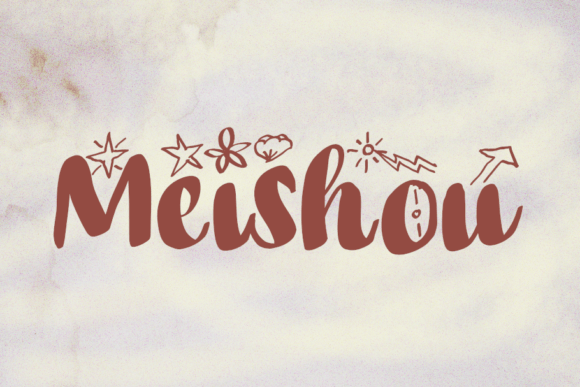
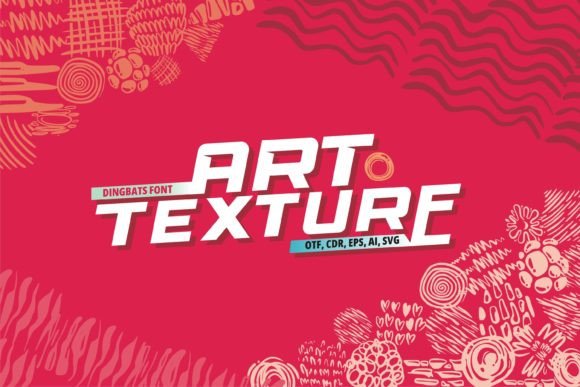
In the crowded landscape of modern graphic design, standing out requires more than just clean lines and standard typefaces; it demands personality, depth, and a tactile quality that digital screens often lack. This is where Art Texture becomes an indispensable tool for creative professionals. As a playful dingbat font composed of hand-drawn elements, it offers a unique bridge between organic artistic expression and structured visual communication, allowing designers to inject warmth and character into their projects instantly.
Unlike rigid geometric fonts or overly polished vector icons, Art Texture brings a human touch to digital spaces. These hand-drawn dingbats are versatile creative assets that can be used for a variety of purposes, from decorating complex design layouts to adding whimsical accents to strategic business plans. By integrating these elements into your creative ideas, you can make your designs outstanding while maintaining a professional aesthetic that resonates with audiences seeking authenticity.
The Role of Hand-Drawn Elements in Brand Identity
In today’s branding landscape, consumers are increasingly drawn to brands that feel approachable and genuine. Incorporating hand-drawn typography and illustrative elements helps soften corporate identities, making them more relatable. Art Texture serves as a powerful component in building this type of brand identity. Whether used in logo design to add a custom flair or in packaging design to create an unboxing experience that feels personal, these textures provide a distinct visual voice.
When evaluating how to strengthen your brand’s visual hierarchy, consider how these dingbats can guide the viewer’s eye. They act as visual anchors, breaking up text-heavy sections and creating natural pauses in the reading flow. This is particularly effective in editorial design and print materials, where the physical texture of the paper complements the visual texture of the graphics.
Practical Applications Across Digital and Print Media
The versatility of Art Texture allows it to seamlessly integrate into various aspects of the design workflow. Here are several key areas where these creative assets can enhance your output:
- Social Media Graphics: In the fast-paced world of digital marketing, stopping the scroll is crucial. Using playful dingbats as bullet points, borders, or background accents can increase engagement rates by making posts feel less like advertisements and more like curated content.
- Web and UI Design: While minimalism dominates UI design, subtle textures can improve UX by providing feedback and delight. Use these elements for custom cursors, loading animations, or interactive hover states to create a more immersive user experience.
- Packaging and Merchandise: For physical products, the perceived value is often linked to the design quality. Art Texture can be printed on labels, tags, and merchandise to convey craftsmanship and attention to detail, aligning with modern aesthetics that favor the handmade look.
- Presentations and Proposals: Business presentations often suffer from visual fatigue. Injecting hand-drawn elements into slides can keep stakeholders engaged, highlighting key data points without overwhelming the audience with dense information.
Ensuring Visual Harmony and Professionalism
While playful elements add charm, they must be used with intention to maintain a professional presentation. The key to successful integration lies in consistency and balance. When selecting design elements, ensure that the style of the dingbats complements your existing color palette and typography. A chaotic mix of styles can dilute your message, whereas a cohesive approach strengthens it.
Consider the scalability of these assets. Hand-drawn details should remain clear and recognizable whether viewed on a mobile screen or a large-format print. Test your designs across different mediums to ensure that the visual impact remains strong. Additionally, pay attention to white space. Allowing your textured elements to breathe prevents the design from feeling cluttered, ensuring that the visual hierarchy remains clear and the primary message is not lost.
Ultimately, the goal of using tools like Art Texture is to enhance communication, not just decoration. By thoughtfully incorporating these hand-drawn dingbats into your creative projects, you elevate the overall quality of your work. You move beyond generic templates to create bespoke visual experiences that capture attention, convey emotion, and leave a lasting impression. In a digital age saturated with uniformity, embracing the imperfect beauty of hand-drawn textures is a strategic move toward more meaningful and effective design.